Minerals — magnesium, zinc, copper, and the full spectrum of trace minerals
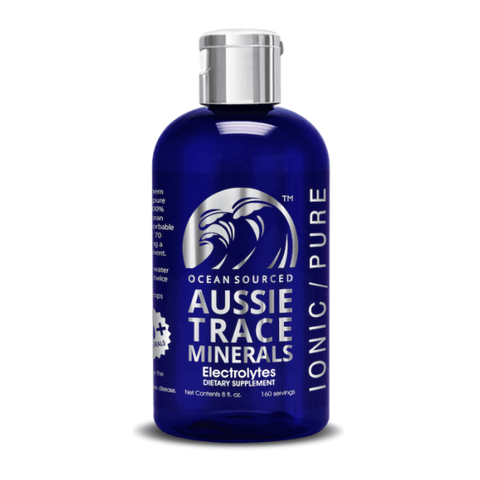
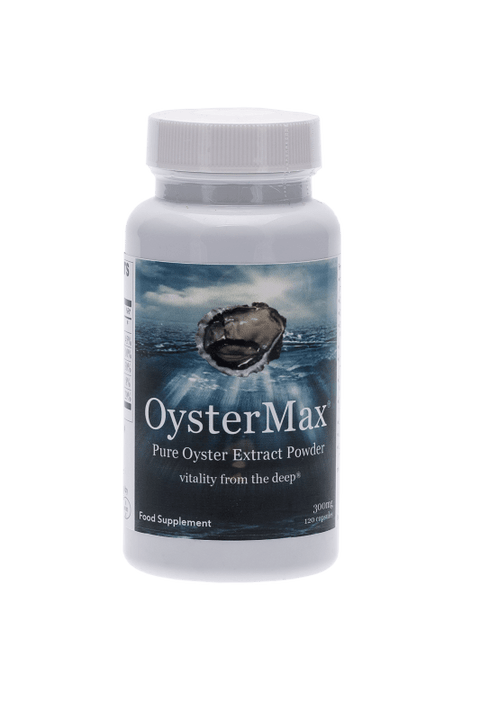
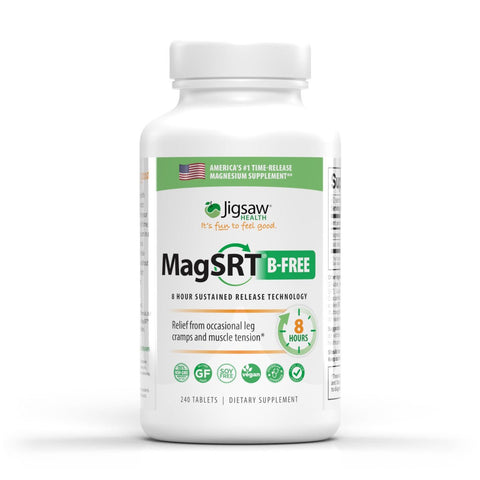
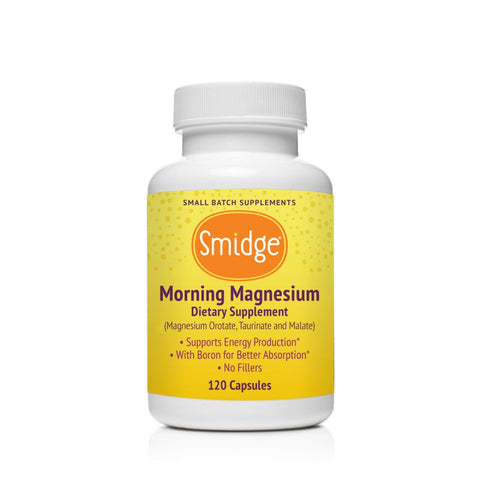
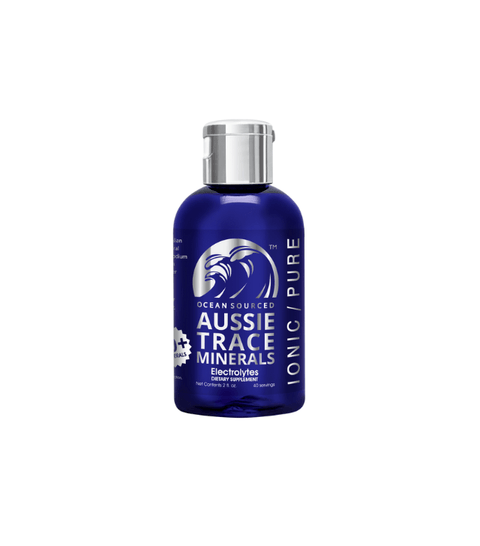
Minerals are inorganic elements that the body cannot produce itself — they must come from food or water. At Naturshopen, we offer individual minerals in bioavailable forms (Jigsaw MagPure, FIQ Copper IQ, Smidge Oysterzinc) as well as complete trace mineral blends from Aussie Trace Minerals.
What are minerals?
Macrominerals (calcium, magnesium, potassium, sodium) are needed in larger quantities. Trace minerals (zinc, copper, iron, selenium, boron, iodine, chromium) are needed in smaller quantities — but a deficiency in any of them disrupts the body's enzyme system.
How to take minerals?
EFSA has daily reference values for each mineral. Wholefood sources (oysters for zinc, liver for iron and copper, dark green leaves for magnesium) provide synergistic cofactors that synthetic tablets lack.
Individual minerals or complexes?
Complex trace mineral products (Aussie Trace Minerals) offer a broad spectrum in natural proportions. Individual supplements are better when you know you have a specific deficiency or are following a protocol like RCP.
How we select minerals
Chelated forms (bisglycinate, malate) or wholefood sources, ionic liquid solutions with natural balance, correct dosing according to EFSA, and traceable origin.
Frequently asked questions
Are minerals dangerous in high doses?
Some are, yes — especially iron, zinc, copper, and selenium. Always follow the Swedish Food Agency's upper limits.
What is the difference between chelated and oxide form?
Chelated minerals (bound to an amino acid) are absorbed significantly better. Oxide forms are cheaper but often result in poorer absorption.
Do I need to test my mineral status?
Blood tests for D, ferritin, and B12 are common. Hair Tissue Mineral Analysis (HTMA) is popular in RCP circles for a broader picture.